
Coach Amy's Deep Water Running Tips for Injured Endurance Athletes

"The pool is a graveyard where injured runners go to die," grumbled one of my patients. Running in the water instead of on the road is a depressing notion for most endurance athletes. When I suggest it to my patients, the typical response is a blank stare, cringe, or outright disgust. But before you protest, hear me out! The benefits far outweigh the inconvenience, and the workout regimen can and should be challenging.
Benefits of Deep Water Running
The benefits of deep water running are numerous.
The buoyancy of the water decreases weight-bearing forces on injured joints, ligaments, and tendons.
The viscosity of the water provides resistance and strengthens muscles.
Hard and fast interval segments maintain and even improve run-specific cardiovascular fitness.
Correct water running form can help maintain neuromuscular movement patterns specific to the sport that will stick with you when you return to the road.
How to Deep Water Run
You will need two things for success: a water belt and access to the deep end of a pool. Check with your pool or gym to see if they have water belts for members. If not, consider investing in one. My favorite brand is Aquajogger. Maintaining proper form is essential, and it isn't easy to do so without a water belt.
Correct Water Running Form
You will move and translate forward when you are running in the water. To prevent injury and to maximize effectiveness, follow these tips:
Position your pelvis and spine in a neutral position, not tilted forward or backward.
Use a quick turnover of 180 strides per minute. That means one foot is pushing down 90 times in one minute.
Use a short stride. Do not overreach.
Hold hands at chest height and drive elbows back as you do when you run on the road.
Drive your foot down and back like you would if you were pushing a bike pedal down.
Troubleshooting Tips
Water running should not cause pain. If you experience pain with water running, please check with your physical therapist or healthcare professional before continuing.
If you experience hamstring (back of thigh) pain: check your stride. It is likely too long. A short and quick stride is best.
If you feel back pain, check your pelvis position and make sure to engage your abs. Avoid slouching or arching the back.
Crack the Boredom
The biggest complaint I hear from patients is that water running is boring. It is much more engaging when running at a high intensity and with variable workouts like those described above. Avoid trying to complete the equivalent of a long run in the pool. Wear waterproof earbuds and listen to some fast-paced tunes that help you maintain 180 bpm cadence. Consider water running with a friend; it isn't just for the injured!
Deep Water Running Workouts
Your imagination is the limit when it comes to the variations in workouts. Your speedwork sessions on the track or road can translate to the pool by converting the distance to time. Keep in mind that you need to prepare properly with a dynamic warm-up poolside. Always start with a warm-up before commencing tempo and interval segments.
Water Running Key
Warm-ups (wu) and Warm-downs (wd):
10 min easy. A comfortable pace that you feel like you can maintain for a long time.
Tempo Segments:
3-5 minutes at a moderate intensity where you feel you can still talk but are breathless.
Hard Interval Segments:
1-4 minutes at a hard intensity where you feel like you could grunt in response to questions and can only keep the pace up for a short period. Recover between segments with a more manageable pace for 1-2 minutes.
Workouts from Coach Amy
Below are three workouts to try. See how you respond to Workout 1 before your try the others. I recommend at least one day of recovery between workouts.
Workout 1: Test the Waters (30 min)
10 min wu
10 x 1 min hard on (1 min easy between each)
10 min wd
Workout 2: Ladder Drills (approx 40 min)
10 min wu
Ladder Up: hard 1 min, 2 min, and 3 min (1 min easy between each)
Ladder Down: hard 3 min., 2 min, and 1 min (1 min easy between each)
10 min wd
Workout 3: Tempo with Intervals (approx 1 hour)
10 min wu
Repeat three times through:
Hard 5 x 1 min (1 min easy between each)
Tempo 5 minutes
2 min easy
10 min wd
Water running is a viable, challenging substitute for running and it need not be awful. One of my patients with a plantar plate tear is water running twice per week. She reports, "Once I got going in the pool, I felt great. I like Aqua jogging. Can I continue this even when I get back to running again?" My answer was a resounding, "Yes!" Water running is a great tool to improve speed while taking the load off your joints.
If you are injured, seek evaluation and treatment from a physical therapist before water running. An experienced physical therapist specializing in treating endurance athletes can help you create a tailored program specifically for your goals.
Ice or Heat?
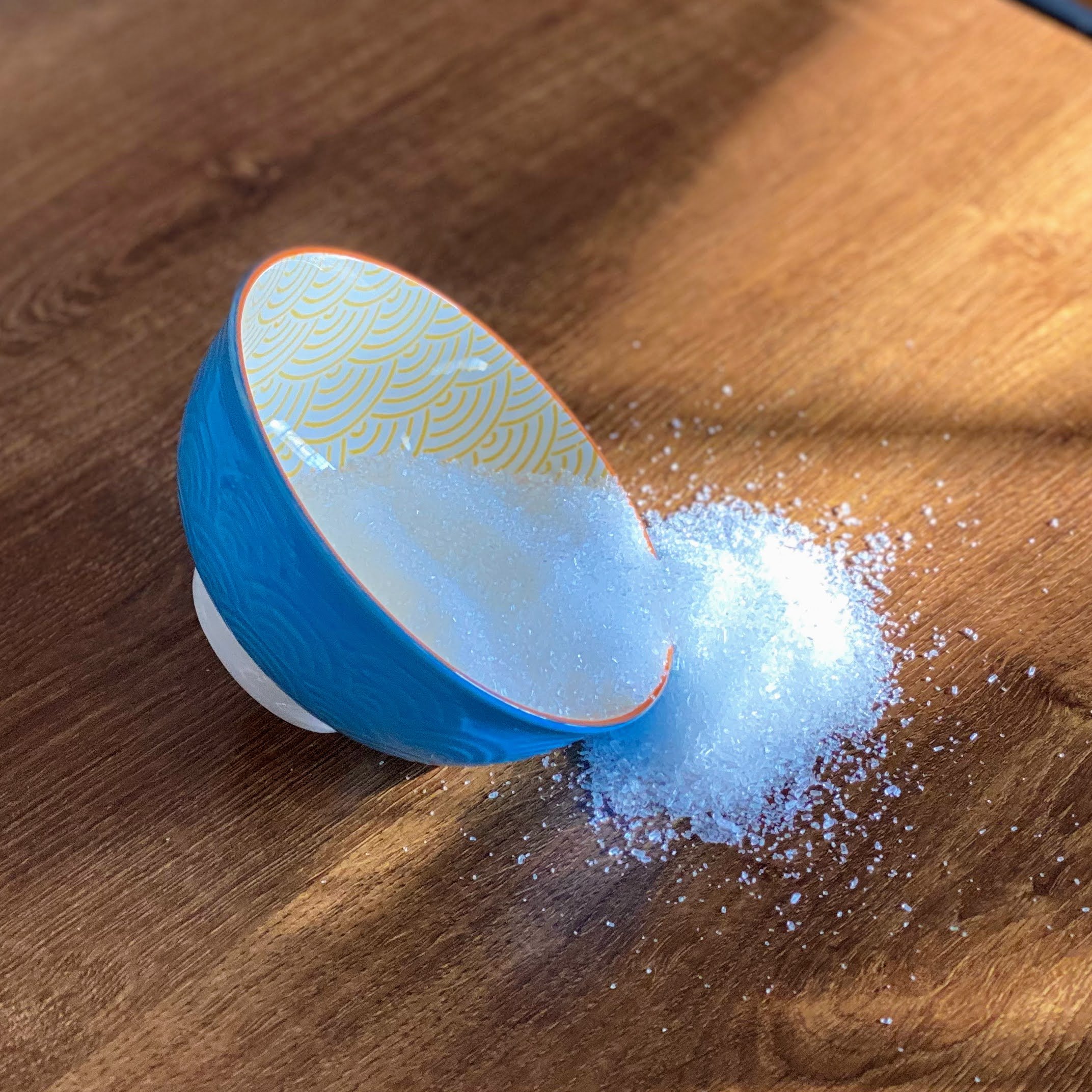
Coach Amy’s favorite deep heating method is a soak in Epsom Salts.
Patients and athletes frequently ask, "Should I ice or heat?" The purpose of using ice or heat is to control inflammation, but which one to use depends on whether the injury is acute or chronic.
Acute Injuries
In the case of a sudden injury like an ankle sprain or a hamstring pull, apply an ice pack (crushed ice in a plastic bag) for 20 minutes as needed to minimize swelling and decrease pain. Allow at least 20 minutes between icing sessions. Never fall asleep with ice on your body. You can also use an ice cup to massage the area. After the first 48 hours of a sudden injury, you may alternate icing with moist heat (see Chronic Injuries below). In the event of severe injury, seek medical attention immediately.
Chronic Injuries
Chronic injury is the result of prolonged overuse like tennis elbow or piriformis syndrome. Apply moist heat for 20 minutes to decrease inflammation and improve blood flow. Allow at least 20 minutes between heating sessions. Coach Amy's favorite anti-inflammatory and pain relief method for chronic injury is a 20-minute soak in magnesium sulfate, commonly known as Epsom salts. Microwave moist hot packs are available at drugstores and online.
Whether an acute or chronic injury, schedule an appointment with your medical provider if it does not improve within a few weeks or affects performance or function.
The application of heat and ice modalities is all about controlling inflammation. To learn more about inflammation and its impact on injury, health, and pain, check out Coach Amy’s three-part series:
How do I promptly get first and follow-up appointments?

Coach Amy's schedule fills up quickly, but if you know how to navigate the scheduling system, you can get in relatively fast and avoid long gaps between your physical therapy appointments, which is essential for a successful outcome in your treatment.
Helpful tips for navigating the CoachAmyPT scheduling system:
Book follow-ups in advance.
Use the waitlist reservation feature.
Stay on top of the schedule.
Book Follow-Ups in Advance
The CoachAmyPT schedule is available for booking 37 days in advance. When you book an appointment, even if it is an evaluation, take the time to book three follow-up appointments; otherwise, there may be a three or four-week delay before your subsequent treatment—Book once per week, starting with the week after your first appointment or evaluation. We can cancel or reschedule appointments if it is determined at your first visit that subsequent sessions are unnecessary or needed less frequently.
Use the Waitlist Reservation Feature
Schedule a reservation on the waiting list if the first available session with Coach Amy is over a week away. A reservation on the waitlist does not guarantee an appointment. If a spot becomes available, you will receive a separate email or text message.
Pro-tip: Book one spot per week. We will notify you of all available dates and times that become available the week of your reservation.
Stay on Top of the Schedule
Take care not to fall off the schedule. Once you've secured subsequent appointments, check the website scheduling page regularly to maintain consistency with your treatment. Coach Amy's calendar adds future openings 30 days ahead of time. Book your sessions according to the frequency that Coach Amy prescribed for you. Some patients find it helpful to add a reminder to their calendar to "Book with Amy."
Avoid Pitfalls
Have you ever booked an appointment online or with the app, but when you go back to look for it, poof! You can no longer see it? Have you ever wondered why you are prompted to sign the same form twice or enter your insurance information again? Read this helpful article.
Why is there a basket of used athletic shoes in the CoachAmyPT clinic?
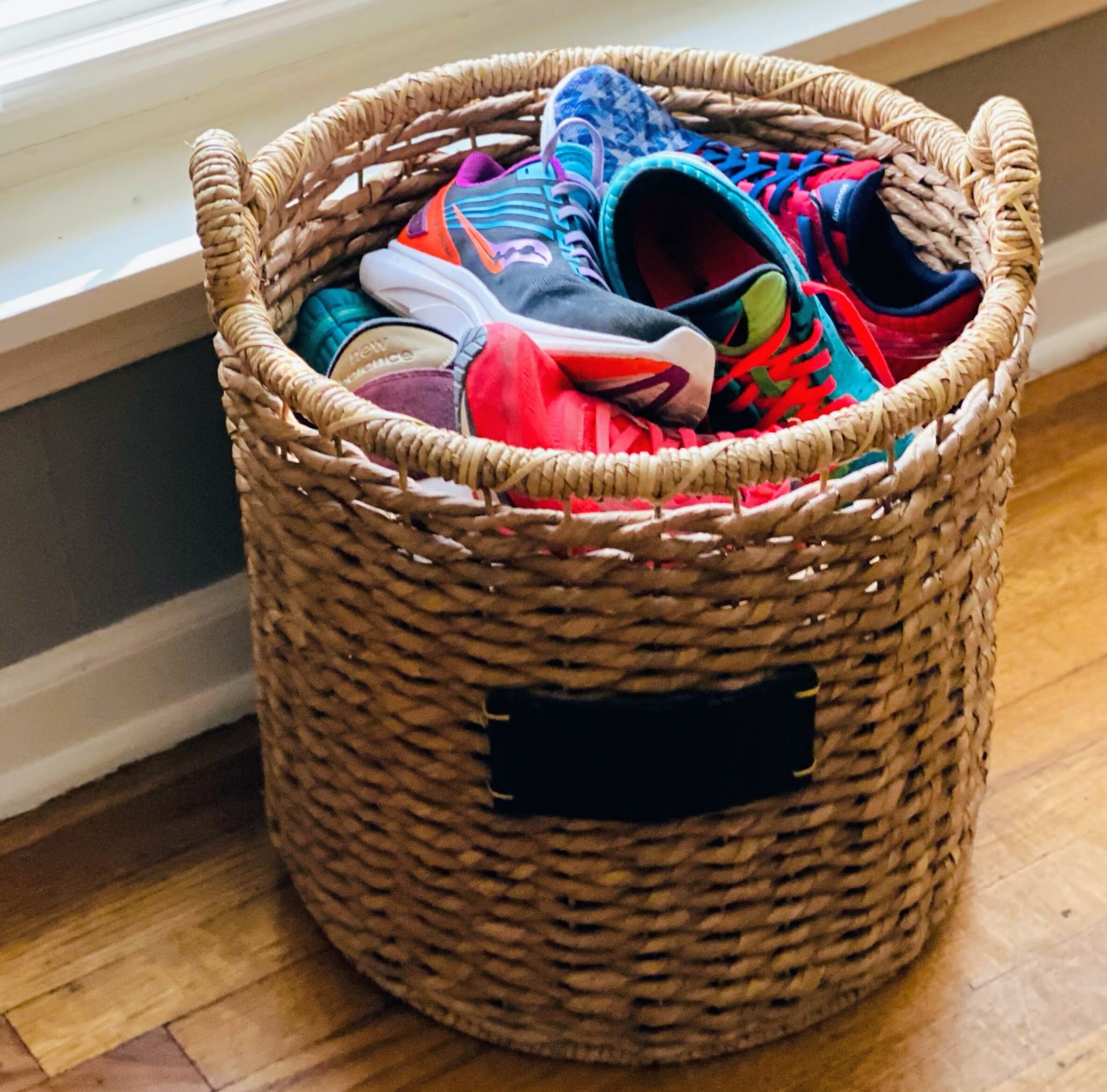
We are collecting used adult-sized athletic shoes throughout the month of October.
“Inadequate physical activity results in an added $117 billion in health care costs in the U.S. and leads to reduced quality of life for millions of Americans. As we struggle to address a global pandemic, it’s more important than ever to encourage movement to help people manage pain and other chronic conditions, recover from injuries and reduce the risk of future injury and chronic disease.”
We are Celebrating National Physical Therapy Month.
National Physical Therapy Month is in October, and this year's theme is the promotion of physical activity, and the unique value physical therapists bring to help people get moving. That is in sync with CoachAmyPT's primary mission to keep Kansas City moving and moving well.
So, to celebrate National PT Month, we are collecting used athletic shoes and co-hosting a run/walk event with the Roadrunners of Kansas City to benefit ScrapsKC. ScrapsKC provides food, clothing, employment, and companionship to the homeless in Kansas City.
Will you Help us Celebrate PT month?
There are two ways you can join in the fun.
Donate gently used adult-sized running or athletic shoes. You can drop them in our collection basket at the CoachAmyPT clinic throughout the month of October.
Join Coach Amy and the Roadrunners of Kansas City for "Run Your Socks Off!" A FREE run/walk event to benefit ScrapsKC. Bring new socks or used athletic shoes or both! Registration is required.

About ScrapsKC.
ScrapsKC provides food, clothing, employment, and companionship to the homeless in Kansas City. The homeless walk ten to fifteen miles a day and often don't get replacement shoes and socks regularly. Your donation of new socks and used adult running shoes can make a significant difference in the life of a person experiencing homelessness.
Celebrate our Anniversary and Run (or Walk) Your Socks Off for ScrapsKC

This October, we want to celebrate CoachAmyPT's fifth anniversary with you, our patients, friends, and family because we owe our success to you. Our favorite way to party is with a charity walk/run. Please join CoachAmyPT and Roadrunners of Kansas City on Sunday, October 24th at 8:00 AM for our second "Run Your Socks Off!" event (we missed you 2020).
This event is FREE with a donation of new black or white adult-sized socks and/or a used pair of running shoes for scrapskc.
Bring your family and friends, wear your craziest socks, and walk or run for up to 50 minutes on the Indian Creek Trail.
Event details:·
October 24, 2021 8:00-9:30 AM
Meet at the CoachAmyPT clinic 4573 Indian Creek Parkway. Check-in at the registration table upon arrival.
Run or walk the Indian Creek Trail West for 25 minutes and turn around, so we all finish simultaneously! Feel free to walk or run for a shorter time.
Replenish with some snacks during the presentation of prizes.
Prizes will be awarded for the participant who:
wears the craziest socks
brings the most friends
donates the most socks
donates the most used running shoes
About ScrapsKC
ScrapsKC provides food, clothing, employment, and companionship to the homeless in Kansas City. The homeless walk ten to fifteen miles a day and often don't get replacement shoes and socks regularly. Your donation of new socks and used adult running shoes can make a significant difference in the life of a person experiencing homelessness.
Enjoy the Fall season outdoors, and spend time with family and friends as we celebrate five years of keeping KC moving and help our greater KC community.
Is warming up before running a good thing?

Coach Amy weighs in on this hot topic in a recent Roadrunners of Kansas City blog post.
The Trick to Controlling Age-Related Muscles Loss

Water is a great tool for Resistance Exercise Training; it provides resistance and also eases joint compression.
Aging is inevitable. Aging well takes a bit of work, especially when it comes to preventing age-related muscle loss. The trick to slowing down and controlling muscle loss is progressive Resistance Exercise Training (RET) for 30-60 min 2-3 times per week.
RET may use gravity, body weight, resistance bands, elevation such as hills, the tension on a bike, and even water!
For the best outcome, RET should involve multiple muscle groups at one time and use large muscle groups like performing bicep curls while simultaneously squatting or lunging. Some activities that meet these criteria include:
Pilates with reformer/weights/bands and body weight
Water Aerobics or water walking with resistance equipment such as paddles
Power Yoga
Hiking on hills/grades/stairs
“Make strength training fun and beneficial: mix up your training routine with a variety of tools and activities. ”
Choose activities that you enjoy to keep you motivated and consistent. Make changes once per month to progress difficulty, frequency, or duration.
It is never too early to start preventing age-related decline in muscle strength and mass. Developing a habit early has benefits now and later!
New or returning to resistance training after a significant amount of time off or change in health status? Check out our tips below before starting a new exercise routine.
Seek out coaches, personal trainers, and class instructors with superior credentials.
Check with your doctor before starting a new exercise routine.
Seek help from a physical therapist for assistance in beginning a program if you have medical considerations such as osteoporosis, joint replacement, or osteoarthritis.
Check out The Exercise And Screening for You (EASY) survey, a tool that helps provide guidance on appropriate exercise programs for persons over age 65.
Carbohydrates: hero or villain?

Sausage, Asparagus and Walnut Quinoa Pilaf with Cranberries
Complex Carbohydrates are essential.
Carbohydrates are blamed for many evils related to our health, causing many of us to limit or avoid them entirely. But are they really the villain they’re made out to be? Carbohydrates have an undeserved reputation. As a result, our health is at risk.
Google “no or low carbohydrate diet.” A long list of diet plans will fill the page. Your search results will include advice and books touting that eating a diet low or devoid of carbs helps us:
lose weight
tackle Type 2 diabetes
lower blood pressure, and even
perform better in endurance sports.
This is quite true when referring to simple carbohydrates, like cookies, fruit juice, and corn syrup. But believers beware: long-term diets devoid or low in all types of carbs may cause or worsen some disease processes and starve the body of key components for health and wellness.
Repair of the body—whether due to injury, illness, aging, or overworking while training—requires a tremendous amount of energy. The best source of fuel is harnessed from complex carbohydrates. Without them, the body will instead consume protein. We need that very protein to build and repair the body.
Body repair requires complex carbohydrates + protein.
These examples show the relationship between complex carbohydrates and recovery.
Example 1:
Injured Person with Chronic Back Pain and Sciatica (inflammation of the sciatic nerve)
With this condition, nerves, muscles, and fascia are inflamed and, in some cases, scarred and torn. Think of a frayed electrical cord. There are many treatments that can help, but without protein and energy from carbohydrates, the body will not have the components needed for repair. As an added bonus, complex carbohydrates decrease inflammation.
Example 2: Endurance Athlete Training for a Marathon or Triathlon
To prevent injury and enhance performance, endurance athletes require complex carbohydrates. An endurance athlete training for a race is in varying states of high volume and intense load with minimal recovery. The endurance athlete requires complex carbohydrates not only so that the body doesn’t break down muscle during activity, but also to decrease inflammation and aid in repair microtearing of skeletal muscle and tendons after and between workouts.
The key to garnering energy from carbohydrates is eating the right kind and the right amount.
Healthy carbohydrates are referred to as complex carbohydrates. They have the following characteristics:
Low or moderate in calories
High in nutrients
Devoid of refined sugars and refined grains
High in naturally-occurring fiber
Low in sodium
Low in saturated fat
Very low in, or devoid of, cholesterol and trans fats
Examples of complex carbohydrates:
quinoa
oats
buckwheat
bananas
sweet potatoes
beet root
blueberries
grapefruit
apples
kidney beans
chickpeas
How many carbohydrates do we need?
According to The Dietary Guidelines for Americans carbohydrates should make up 45 to 65 percent of your total daily calories.
When healing from injury, five servings per day is needed (1 serving = 15 grams).
Examples of one serving:
1 slice bread
1/2 cup cooked cereal
1/2 cup rice or pasta
3/4 cup dry cereal.
Whole grain sources give you more protein.
Endurance athletes should consume 0.5–0.7 grams of carbs per pound of body weight within 30 minutes after a training session that exceeds 60 minutes. For a 120 pound athlete, that is 60 - 84 grams of carbohydrates or 4 - 5.5 servings. This is in addition to consuming an adequate amount of carbohydrates during the activity.
Whether your body needs to repair as a result of aging, endurance training, illness, or injury, your body requires complex carbohydrates. Even in daily life, a healthy amount of carbohydrates, as listed above, is essential for a healthy diet.
And now we’re down to it: are carbs heroes or villains? Like many things, it’s all about balance. Just the right amount of complex carbohydrates make them a hero to your body, both for healing and prevention.
Let’s change our perception of this key component of our health so we can move better, work better and play better!
Subscribe to Roadrunners of Kansas City Running Tips Blog for upcoming articles on nutrition for athletes and more!
In the next article in our Nutrition and Healing series, we discuss what to eat to promote muscle repair. Stay tuned and subscribe to CoachAmyPT. In case you missed them, check out CoachAmyPT’s previous three articles on nutrition and healing:
In the state of Kansas, licensed health professionals including physical therapists may use nutrition tools as an adjunct to their profession. Coach Amy will not advise patients who require extensive meal planning, specific values for macro or micronutrients or patients with specific disease processes or on specific medication that are affected by dietary manipulation such as a diabetic. Patients in these circumstances should seek help from a registered dietician.
Foods to Eat When Recovering from Injury: Boost Anti-aging, Sports Performance and Recovery

Psst…I have a secret. What if I told you that we can fight aging, enhance sports performance and boost injury recovery with little effort, minimal cost, and no side effects? Would you be in? Me too!
And the secret is … delicious food - believe it or not!
One of the primary determinants we face with aging, high intensity/volume sport, and injury is inflammation. In our second CoachAmyPT article on nutrition, we discussed that it behooves us to avoid foods that increase inflammation and instead consume those that minimize it. In this article we share a list of some of those foods.
I have good news for you: there are a variety of foods, spices, and teas that possess anti-inflammatory properties, and, much to my glee, dark chocolate is on the list!
Controlling inflammation can be tasty. Below is a list of nutritional items with anti-inflammatory properties:
extra virgin olive oil
spinach, kale
fatty fish - salmon, tuna
strawberries, blueberries, cherries, grapes, and oranges
avocado
bell peppers, tomatoes, and mushrooms
green tea
turmeric
Turmeric comes in pills and powders that can be added to smoothies or cereals. It is also a spice that can be added to some dishes. More on turmeric in future articles!
dark chocolate/cocoa (low to no added sugar)
Before you fill a mug with hot cocoa or grab a dark chocolate candy bar, remember that sugary foods increase inflammation. But don’t worry! There are some naturally-sweetened dark chocolate sources. My favorite source for sugar-free chocolate is Lily’s. Their products are sweetened with a natural sugar substitute derived from Stevia rebaudiana. I’ve found them at health food stores like Sprouts and Whole Foods as well as the natural food section of bigger box grocery stores.
As you may recall from our CoachAmyPT article on inflammation, it is our goal in physical therapy to control inflammation. In addition to EPSOM salt soaks, relative rest, PT treatments (such as needling and Active Release Technique) we can boost our rehabilitation, performance, and anti-aging efforts with the food we eat. Bon appetit!
In the next article in our Nutrition and Healing series, we discuss the impact of carbohydrates on recovery. Are they as ugly as they’ve been made out to be? Stay tuned and subscribe to CoachAmyPT. In case you missed them, check out CoachAmyPT’s previous two articles on nutrition and healing:
Foods to AVOID When Recovering from Injury or During periods of High Volume and intensity with sport

My traditional post-marathon celebratory meal consists of a juicy burger, fries, and ice cream chased with cinnamon whisky shots to numb my legs! In fact, when I “hit the wall” during a race, the promise of this feast often pulls me through.
“Give up or give in, and you can kiss that post-race treat goodbye!” Surely the protein, sugar, salt, and carbs after 26.2 miles is deserved … right?
Not so fast!
The fact is, running over fifteen miles causes micro-tearing of the muscles. Torn muscles—whether caused by aging tendons, degenerative joints, high volume or intensity with sport, or broken bones from a fall or car accident—all have one thing in common: they generate inflammation.
Inflammation isn't all bad: it is the body’s healthy reaction to injury and disease. But too much of it can delay recovery, and, if prolonged, it can cause a vicious cycle of chronic pain. Our goal in physical therapy is not to abolish the inflammatory process, but rather to control it. We can do that in a variety of ways, including evaluating our diet.
Some foods can increase inflammation, inhibiting or delaying healing. Some of these foods include:
Refined carbohydrates and starches, like white bread and pastries
Fried food, like french fries
Red meat and processed meat
Soda
Sugars
Foods with a high glycemic index
Shortening/margarine
Sunflower, corn, and soybean oils
Doctors have been telling us to avoid these foods—or eat them in moderation—for decades, so I guess it isn't shocking to discover that, along with other harmful impacts, they also cause inflammation. It may surprise you, however, to learn that some foods touted for their health benefits may make it more difficult to control inflammation. Enter the omega fatty acid debate.
As with many health-related topics, scholars and scientists don't always agree with each other. There is some controversy about omega-6 fatty acids and inflammation. If you go digging for more information on this topic, you may find yourself heading down a rabbit hole. An article posted in Harvard Health Publishing may shed some light if you feel like diving in for more information.
In a nutshell, when foods containing omega-6 are eaten in moderation and balanced with foods containing a higher ratio of omega-3 to omega-6, they may not cause inflammation.
The following lists contain omega-6 to omega-3 ratios for a few foods. I encourage you to look up the omega-6 to omega-3 ratio of foods that you regularly eat. As always, if you are working with a dietician for health reasons, follow the specific diet plan that they provide to you.
Some foods containing a higher ratio of omega-6 to omega-3 fatty acids to eat in moderation:
tofu
ground fresh peanut butter (no sugar added)
walnuts, almonds, cashews
pumpkin seeds
commercial eggs
avocado
Some foods containing omega-3 fatty acids or a high ratio of omega-6 to omega-3 that are recommended by health/nutrition experts:
fish, like salmon
fish and flaxseed oils
omega-3 enriched eggs
flaxseed and chia seeds
oatmeal
spinach, broccoli, and kale
kidney beans
Looks like my high post-marathon race reward needs a makeover in order to promote recovery and prevent injury. In moderation, alcohol can decrease inflammation, so maybe I will keep the promise of one cinnamon whisky shot to help me punch through the wall.
While carbohydrates, protein, and salt need to be replaced post-marathon or when recovering from injury, the source of those nutrients is key. We will further explore healthy sources for those key nutrients as we continue with our nutrition series.
Subscribe to our blog and stay tuned for the rest of the articles in our nutrition series to learn more about what we should eat to promote healing.
Follow us on Facebook for recipes, exercises, and more health and wellness tips.
In the state of Kansas, licensed health professionals including physical therapists may use nutrition tools as an adjunct to their profession. Coach Amy will not advise patients who require extensive meal planning, specific values for macro or micronutrients or patients with specific disease processes or on specific medication that are affected by dietary manipulation such as a diabetic. Patients in these circumstances should seek help from a registered dietician.